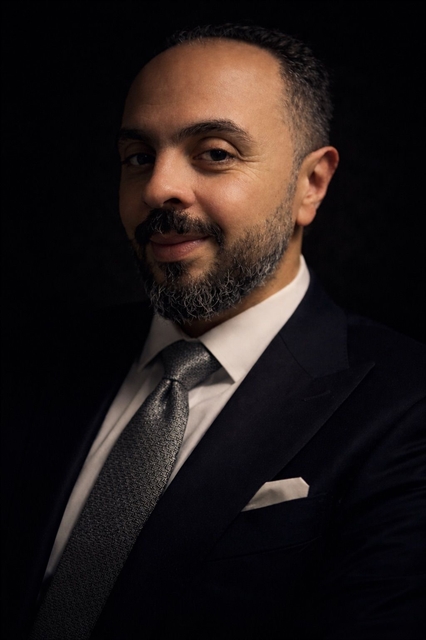
1. Tell us about your experience putting together your portfolio for the AL-CIP?
Putting together my AL-CIP portfolio was a valuable opportunity to reflect on how my work in infection prevention and control has developed over time. I organized my experience around leadership, measurable improvement, education, collaboration, and the systems I helped strengthen across multiple hospitals. I focused on connecting each example to its purpose and impact—how it supported safer care, improved practice, or helped teams respond to infection risks. The process required careful review of evidence and thoughtful reflection, but it also helped me see the broader contribution of IPC leadership beyond day-to-day compliance.
2. Can you provide tips for writing a successful rationale?
Be clear, specific, and evidence-based. Start with the problem or opportunity, explain your role and the actions you took, and describe the outcome or learning. Show how your decisions influenced teams, strengthened systems, or improved patient safety—not only what tasks you completed. Use concise examples, support them with relevant evidence, and make your individual contribution clear while recognizing the people who helped achieve the results.
3. What advice would you give to someone considering the AL-CIP?
Consider the AL-CIP when you are ready to reflect on your leadership and its impact—not simply to add another credential. Keep a record of meaningful projects, decisions, outcomes, and lessons learned as you go; this makes the portfolio process more manageable and authentic. Be honest about your role, use clear evidence, and show how you bring people together to improve infection prevention and patient safety. Most importantly, let your rationale reflect your real professional journey and the difference you aim to make.
4. What does earning your AL-CIP mean to you?
Earning the AL-CIP is an important milestone and a responsibility. It recognizes my commitment to leadership in infection prevention and control, but for me its greatest meaning is the opportunity to turn knowledge and evidence into safer systems of care. I see it as encouragement to keep developing teams, strengthening collaboration, and supporting practical improvements that protect patients and healthcare workers. It is not the end of the journey—it is a renewed commitment to lead with purpose and make a lasting impact.