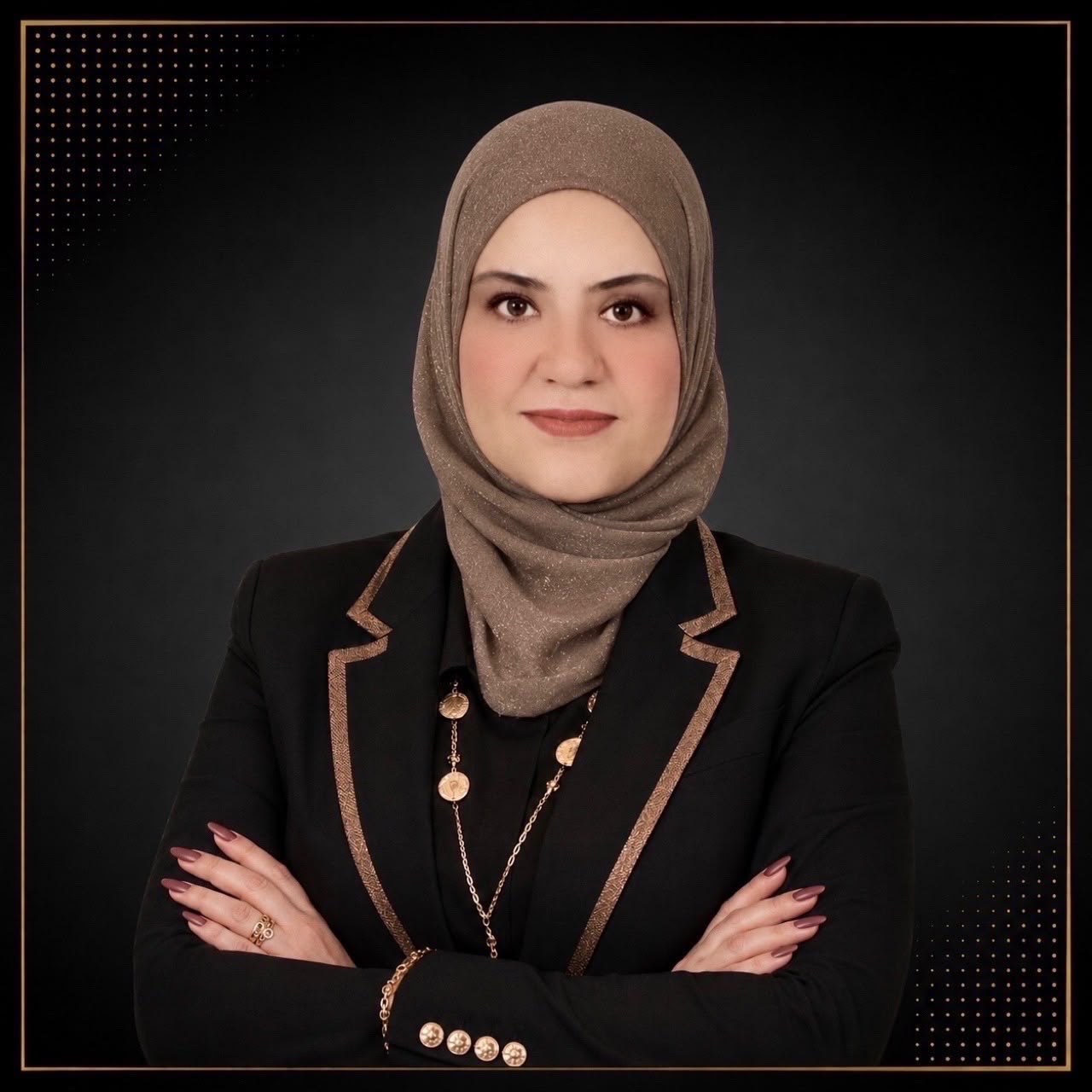
Location: Egypt / Saudi Arabia
Company/Organization: Egypt Ministry of Health Hospitals (Algomhoureya), CBAHI Saudi Arabia
Title: Physician (Doctor) / Infection Prevention and Control (IPC) Director / Infection Prevention and Control Accreditation Surveyor
First certified: 2012
1. Why did you choose a career in infection prevention and control?
As a physician, I was trained to diagnose and treat diseases, but IPC showed me another side of medicine: preventing harm before it happens.
What attracted me most was the impact. One good infection prevention decision can protect many patients and healthcare workers at the same time. Over the years, I have seen how IPC can change practice, improve patient safety, and save lives. That is what made me stay in this field and continue to enjoy it after many years.
2. What advice would you give someone who is interested in an infection prevention and control career?
My advice is to learn to see beyond the infection. IPC is not only about microorganisms, isolation precautions, surveillance, and guidelines. It is also about people, systems, behaviors, communication, and teamwork.
Build a strong scientific foundation, but also learn how to communicate and influence change. And always stay curious. I have learned that asking “Why did this happen?” is usually much more useful than asking “Who made the mistake?”
3. What does being a CIC® mean to you?
CIC has been an important part of my professional journey since I first became certified in 2012. At the beginning, it gave me confidence that my knowledge and experience met an international professional standard.
Its meaning has grown with me over the years. Today, serving on the CBIC Test Committee makes it even more special. I was once the candidate preparing for the exam, and now I have the opportunity to contribute back to the certification process. For me, that journey is something I am very proud of.
4. What was the best studying method for you when preparing for the initial certification examination?
What worked best for me was studying to understand, not just to memorize.
I tried to connect what I was studying with real situations: Why is this recommended? What risk are we trying to prevent? What would I do if this happened in my hospital?
I also spent more time on areas that were outside my daily practice. The CIC covers a wide range of IPC knowledge, so I think it is important not to study only what you already know from your job.
5. What advice would you give someone pursuing certification?
“Do not study only to pass the exam. Study until the concepts start changing the way you think about infection prevention”.
Use the examination content outline as your guide, identify your weaker areas, and understand the reasoning behind recommendations rather than memorizing answers.
And remember that becoming CIC does not mean you have finished learning. In many ways, it is the beginning of another stage of learning.
6. How do you stay up-to-date on infection prevention and control practices?
I regularly follow updated guidelines, standards, and scientific literature, and I attend conferences and webinars whenever possible. I also learn a lot through discussions with other IPC professionals.
For me, staying updated is not just about reading something new. I always ask myself whether new evidence should change what we are currently doing in practice.
Being part of the CBIC Test Committee has also encouraged me to look at IPC evidence and concepts more critically and from different perspectives.
7. How has the CIC® helped you grow professionally and in your career?
CIC has been with me through many stages of my career, from working in infection prevention to leading an infection control program and taking on broader hospital leadership responsibilities.
It gave me a strong professional foundation, but it also encouraged me to keep learning and challenging myself.
Now, being able to contribute through the CBIC Test Committee feels especially meaningful. I once looked to the CIC as a milestone in my own career, and today I have the opportunity to give something back to the profession that has been such a big part of my career.