1. Why did you choose a career in infection prevention and control?
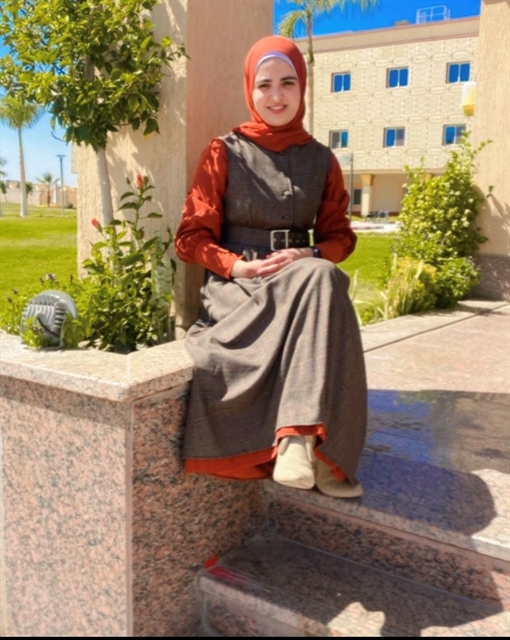
As a clinical microbiologist at a specialized oncology hospital, I realized that identifying a pathogen is only half the battle. I saw firsthand how vulnerable immunocompromised patients are. I chose IPC to bridge the gap between the lab and the bedside, ensuring that our diagnostic insights translate directly into preventing infections and saving lives for those fighting cancer.
2. What advice would you give someone who is interested in an infection prevention and control career?
Be curious and never stop learning. IPC is a dynamic field that requires a mix of clinical knowledge, communication skills, and data analysis. Start by shadowing experienced practitioners and stay grounded in evidence-based guidelines.
3. What does being a CIC® mean to you?
To me, CIC® is a "Gold Standard" of professional excellence. It means holding a sacred responsibility. In an oncology setting, there is no room for error. Being certified validates my expertise and gives me the confidence to lead infection control initiatives to protect our transplant and chemotherapy patients.
4. What was the best studying method for you?
The "APIC Text" was my roadmap. I found that combining deep reading with practicing as many mock questions as possible helped me understand the "why" behind the rules, not just the "what."
5. What advice would you give someone pursuing certification?
Don't just memorize; apply. Try to link every topic you study to a real-life scenario in your hospital. Also, consistency is key—dedicate a specific time each day for your preparation.
6. How do you stay up-to-date on infection prevention and control practices?
I regularly follow updates from the CDC, WHO, and APIC. I also participate in webinars and stay connected with the global IPC community to exchange experiences and new findings.
7. How has the CIC® helped you grow professionally and in your career?
It has elevated my professional standing and positioned me as a specialist in "Protective Environments." It opened doors for leadership roles, such as leading protocols for neutropenic patients, and empowered me to be a trusted consultant for my clinical oncology colleagues.